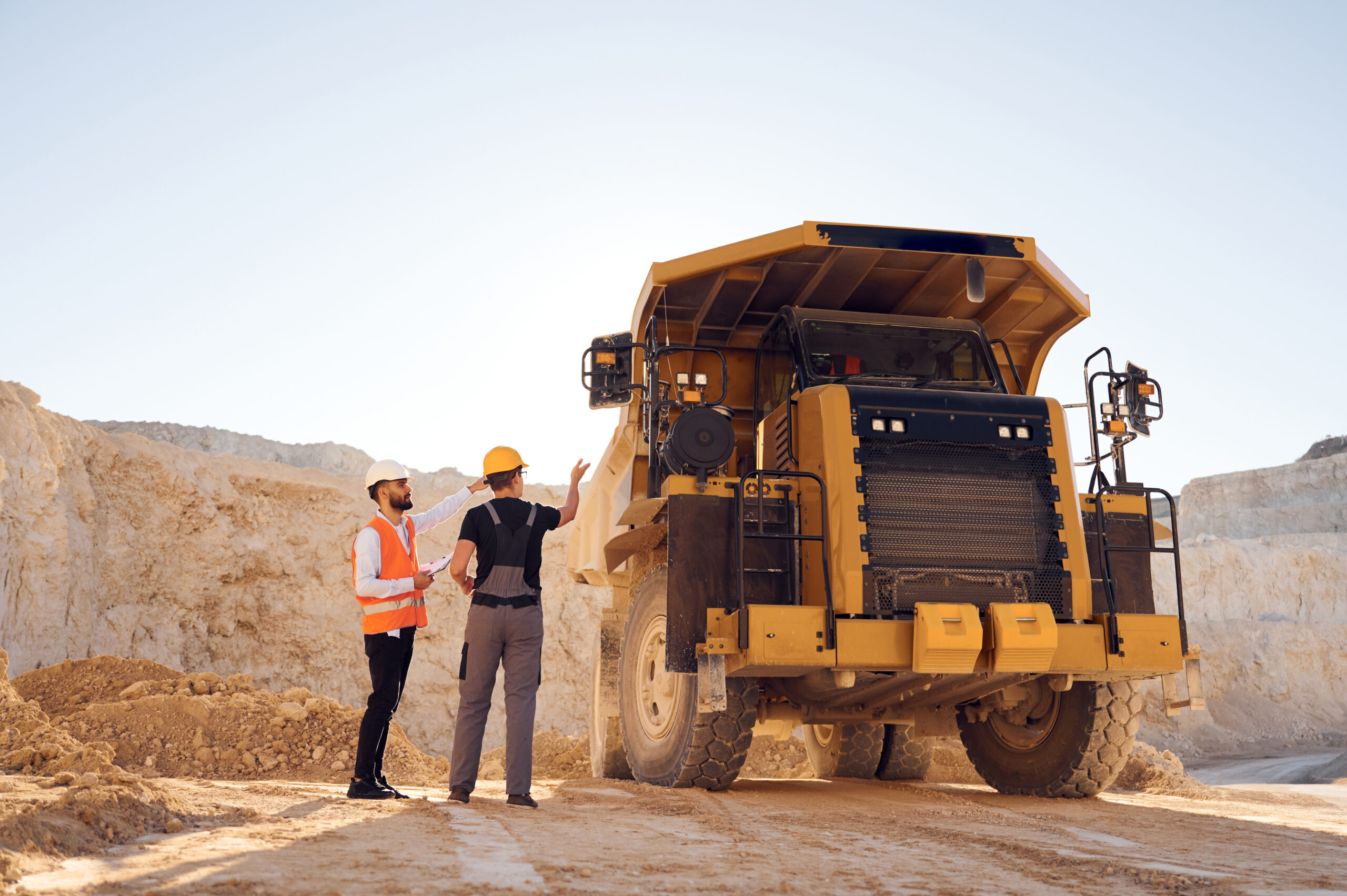
In the high-stakes world of mining, where projects span years, budgets run into billions, and stakeholder trust can make or break success, one truth stands out: good communication isn’t a luxury—it’s a day-zero investment. From the moment a mining project is conceived, effective communication sets the foundation for operational efficiency, community trust, and long-term profitability. Waiting to prioritize communication until challenges arise is like starting to dig a mine without a map—it’s costly, chaotic, and avoidable.
Why Day-Zero Communication Matters
The mining industry faces unique communication challenges. Projects often operate in remote areas, involve diverse stakeholders—local communities, regulators, investors, and employees—and carry significant environmental and social responsibilities. Missteps in communication can lead to delayed permits, community protests, or reputational damage. According to industry insights, proactive communication can reduce permitting times by up to 30% and boost stakeholder engagement by 38% when narrative-driven strategies are employed.
Starting communication on day zero—before ground is broken or contracts are signed—means embedding trust and transparency into the project’s DNA. It’s about shaping perceptions early, aligning expectations, and building a foundation for collaboration. As Briana Clark of The Intelligent Miner notes, “Mining companies that tell their story with empathy and clarity from the outset are better positioned to address skills shortages, environmental concerns, and public skepticism.”
The Pillars of Day-Zero Communication
To make communication a day-zero priority, mining companies should focus on three key pillars: stakeholder engagement, internal alignment, and strategic storytelling.
1. Stakeholder Engagement: Build Trust Early
Engaging communities and regulators from the project’s inception prevents misconceptions and fosters goodwill. For example, involving local communities in pre-project consultations can address concerns about environmental impact or job opportunities. A 2024 study highlighted that mining companies using early, transparent dialogue reduced community opposition by 25% compared to those that delayed outreach. Simple actions like town halls, translated materials for diverse audiences, or digital platforms for feedback can make a difference.
2. Internal Alignment: Safety and Culture Start Here
A strong internal communication strategy is critical for a safe and productive workforce. Mining is inherently high-risk, and clear, consistent messaging about safety protocols can save lives. Halo Media’s “Mining Safety Communications” guide emphasizes campaigns like “My Brother’s Keeper,” which humanize safety through peer-driven accountability. Day-zero investment means setting up systems—such as intranets or wearable communication devices—that keep workers informed and aligned from the first shift. This not only boosts morale but also enhances productivity, with studies showing a 15% increase in efficiency when internal communications are prioritized.
3. Strategic Storytelling: Shape the Narrative
The mining industry often battles negative perceptions tied to environmental impact or labor practices. Day-zero storytelling, as seen in campaigns like the Minerals Council of Australia’s “This is Mining,” counters these by highlighting innovation, sustainability, and community benefits. Digital tools—social media, videos, or ESG reports—can amplify these messages. For instance, companies that integrate ESG-focused narratives from the start see a 20% higher approval rate among investors, according to The PR Post.
Practical Steps for Day-Zero Success
Implementing a day-zero communication strategy doesn’t require a massive budget, but it does demand intentionality. Here are actionable steps for mining companies, especially smaller operators like those in South Africa’s junior mining sector:
• Leverage Existing Systems: Use cost-effective tools like internal newsletters or cloud-based platforms to share updates. Halo Media suggests repurposing existing intranets for safety campaigns, saving up to 40% on communication costs.
• Cultural Sensitivity: In diverse regions like South Africa, translate materials into local languages and tailor messages to cultural contexts. This builds trust and ensures inclusivity.
• Invest in Technology: IoT sensors, wearable devices, or mobile apps can streamline communication in remote sites, ensuring real-time updates for workers and stakeholders.
• Train Leadership: Equip site managers and executives to champion communication. A 2025 industry report found that leadership-driven campaigns increase employee engagement by 30%.
• Tell Stories That Stick: Craft narratives that highlight your company’s commitment to sustainability, safety, or community development. Short, authentic videos or social media posts can resonate more than lengthy reports.
The Cost of Waiting
Delaying communication until issues arise—be it a community protest, a safety incident, or a regulatory hurdle—can be catastrophic. A single misstep can escalate into a PR crisis, costing millions in delays or fines. For example, a 2023 case study of a mid-sized mining company showed that poor community engagement led to a six-month project delay, costing $10 million in lost revenue. In contrast, companies that invest in communication from day zero report smoother operations, faster approvals, and stronger reputations.
A Call to Action
For mining companies, communication isn’t an afterthought—it’s the bedrock of success. By treating it as a day-zero investment, you’re not just managing risks; you’re unlocking opportunities. You’re building trust with communities, empowering workers, and shaping a narrative that positions your company as a leader in a rapidly evolving industry. Whether you’re a small operator in South Africa or a global player, the message is clear: start early, communicate clearly, and invest in relationships from day one. Your project—and your stakeholders—will thank you.